


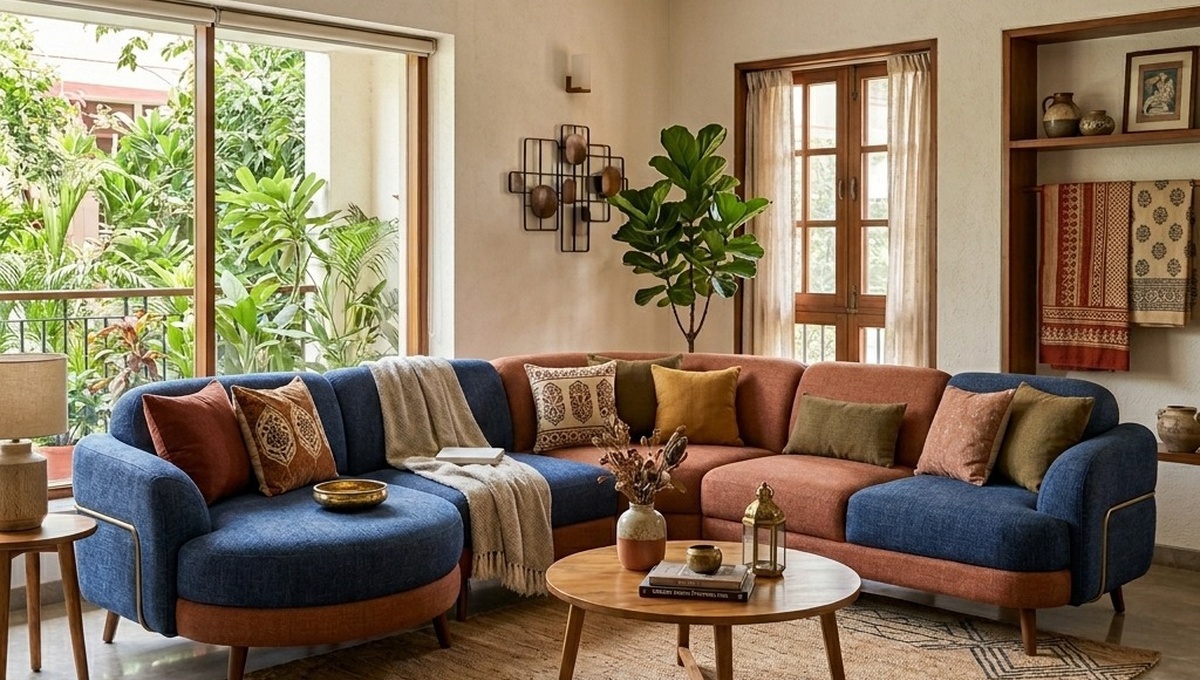
A sofa changes the feel of a living room more than any other furniture piece.
People may notice wall colours or décor later, but the sofa is usually the first thing that shapes how comfortable the room feels. It becomes the place where families sit together every evening, guests gather during visits, children nap during the afternoon, and sometimes even where people work with laptops for hours.
Because of that, sofa design is no longer only about appearance.
Homes today need furniture that feels practical during real daily life. Living rooms are becoming smaller in many apartments, families want more seating without overcrowding the space, and comfort matters much more than overly decorative designs.
This is one reason sofa styles have changed so much recently. People now prefer cleaner layouts, softer shapes, better storage, and furniture that feels easier to live with long term.
The best sofa is rarely the one that only looks impressive in a showroom. Usually, it is the one people continue enjoying years later.
Sofa Designs Are Becoming Simpler And More Comfortable
A few years ago, many living rooms focused heavily on formal furniture. Large carved sofas, heavy fabrics, and bulky designs were extremely common. Now the shift is moving toward comfort first.
People want seating that feels relaxed.
Sofas today are becoming softer in shape, lower in height, and easier to blend into everyday homes. Instead of dramatic designs, many homeowners are choosing styles that make the room feel lighter and less crowded.
Functionality matters much more now too.
Families often want sofas that support multiple needs during the day. Some need extra seating for guests. Others want furniture that works in compact apartments without occupying too much space.
Colours are changing as well.
Very bright furniture is slowly becoming less common compared to softer earthy shades, warm neutrals, muted greens, and textured fabrics. These tones usually feel calmer and easier to pair with changing décor later.
Wooden finishes are also returning strongly in modern homes because they add warmth naturally without making the room look heavy.
At the same time, comfort has become non negotiable. People no longer want sofas that look attractive but feel stiff after sitting for twenty minutes. The living room should feel inviting, not formal.
Modern Sofas Need To Balance Style And Daily Use
A sofa may look beautiful online, but daily life quickly reveals whether it actually works inside the home.
Some sofas are too deep for comfortable seating. Others lose shape quickly or feel difficult to maintain around children and guests. That is why modern buyers now think more practically before choosing furniture.
The size of the room matters first. Large bulky sofas can overwhelm compact apartments very quickly. Smaller living rooms usually feel better with lighter looking furniture that leaves enough open movement around it.
Many homeowners now prefer wooden sofa set online options because wooden frames often feel more durable long term while also matching both traditional and modern interiors easily.
Fabric choice matters too. Homes with children or heavy daily use generally need easier maintenance fabrics compared to delicate materials that stain quickly. Softer textured fabrics usually create a warmer atmosphere without making the room feel overly formal.
Comfort depends on proportion as well. Low seating may look modern but sometimes feels uncomfortable for elderly family members. Deep lounging sofas work well for larger spaces but may not suit compact living rooms where upright seating feels more practical. Good sofa design should support the way people actually use the room every day.
Different Homes Need Different Sofa Layouts
Not every living room works with the same furniture arrangement. A sofa that looks perfect inside a large villa may feel impossible to manage in a smaller apartment. This is why layout planning matters just as much as design style.
Compact homes usually benefit from cleaner sofa arrangements because bulky furniture reduces movement quickly. Two seater sofas, compact sectionals, and simpler layouts often make smaller spaces feel more open.
Larger homes have more flexibility, but oversized furniture can still make rooms feel heavy if everything looks too bulky together.
The arrangement of the sofa also affects how social the room feels. Seating placed too far apart can make conversations feel disconnected. Furniture pushed too tightly together creates the opposite problem by making movement uncomfortable.
Many families now prefer flexible furniture because homes are being used differently than before. Guests stay over more often, work happens from the living room sometimes, and furniture needs to adapt.
This is one reason the wooden sofacum bed couch continues remaining practical in Indian homes. It provides seating during the day while helping with extra sleeping arrangements when needed.
Furniture that supports multiple uses often becomes more valuable over time than purely decorative pieces.
L Shape And Sectional Sofas Work Well In Modern Homes
L shaped sofas have become extremely common in recent years, especially in apartments.
One reason is that they use corners efficiently without breaking the flow of the room. Instead of adding multiple separate chairs, one sectional layout creates enough seating while still keeping the space visually connected.
Smaller living rooms benefit from this because corners often remain underused otherwise.
An L shape sofa design also helps define the seating area naturally inside open layouts where living and dining spaces connect together.
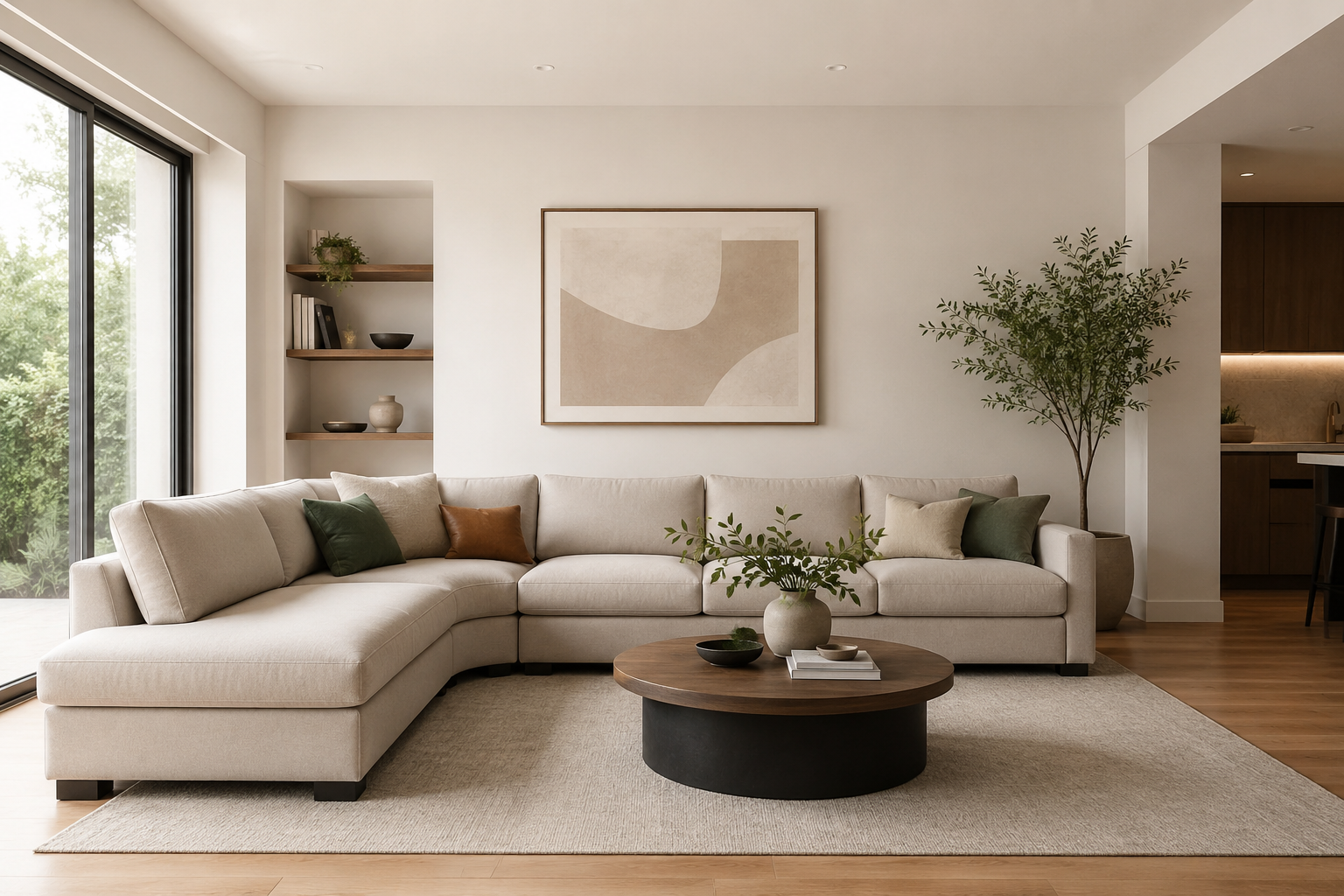
Sectional sofas work well for larger families too because they create flexible seating without making the room feel overcrowded with multiple furniture pieces.
At the same time, oversized sectionals can create problems in compact homes if the proportions are not planned properly.
People often choose sofas based only on appearance without measuring movement space around them. Once the furniture arrives, the room suddenly feels tighter than expected.
The sofa should fit the room comfortably instead of dominating it completely.The best layouts leave enough open walking space while still making the seating area feel connected and relaxed.
Wooden And Fabric Sofas Create Different Feelings
The material of a sofa changes not only the appearance of the room but also the overall atmosphere.
Wooden sofas generally create a warmer and slightly more structured look. They work especially well in homes that prefer natural finishes, earthy colours, or furniture with long term durability.
Fabric sofas usually feel softer and more relaxed visually. The choice often depends on lifestyle as much as appearance.
Homes with frequent guests, children, or heavy daily use sometimes prefer wooden framed designs because they handle wear more comfortably over time. Softer fabric heavy sofas may require more maintenance depending on the material. The finish also affects how modern or traditional the room feels.
Lighter wood tones usually create a fresher appearance, while darker finishes feel more classic and heavier visually. Mixing textures often works best.
Wood combined with soft fabric cushions creates balance naturally without making the sofa feel too stiff or too casual.
Comfort should remain part of the decision throughout though. Attractive materials lose their value quickly if the seating itself feels uncomfortable during everyday use.
Smaller Living Rooms Need Smarter Sofa Choices
One of the biggest mistakes people make in compact homes is buying oversized sofas hoping the room will somehow adjust around them.
Usually the opposite happens. Movement becomes restricted, the living room feels crowded, and the house starts looking visually heavy.
Compact spaces generally work better with cleaner furniture lines and lighter layouts. Raised legs, slimmer arms, and softer colours help sofas feel less bulky even when seating capacity remains good. Storage matters too in smaller apartments.
Multi purpose sofas, hidden compartments, and flexible seating arrangements help reduce clutter without needing extra furniture everywhere.
Light colours often make compact living rooms feel more open, but practicality matters too. Extremely delicate fabrics may become difficult to maintain during everyday family life.
The room should still feel comfortable after the furniture arrives. At the end of the day, the best sofa is usually not the trendiest one. It is the one that quietly supports daily life, feels comfortable every evening, and continues fitting naturally into the home long after trends begin changing again.





Leave a Comment